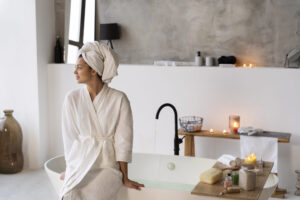
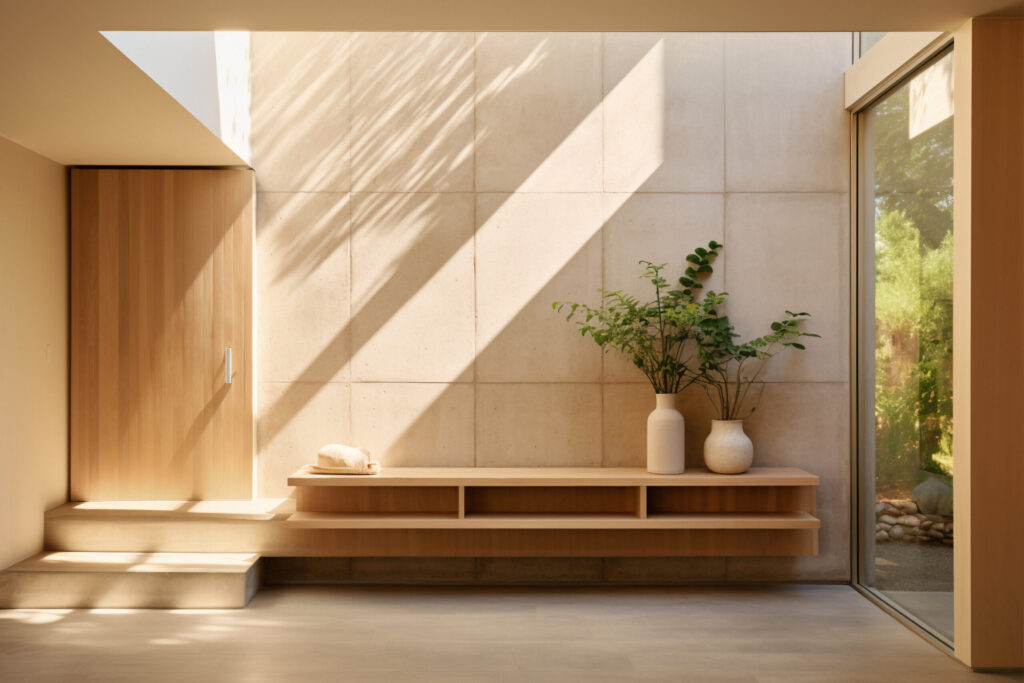
The concept of minimalist interiors has attracted a lot of interest in recent years, though the actual concept of minimalist design is more than just removing furniture or other ornamental elements. Functional minimalism is concerned with how the spaces should be open, calm, and efficient, but also warm and comfortable to live in daily. Proper layouts help draw maximum natural light, enhance the space’s mobility, and create an ambience that is both restful and meaningful.
The professionals in property management in San Diego tend to emphasize that clean interiors with furniture properly distributed and effective storage systems attract those who want to rent a modern, organized home: people like such interiors, as they represent the highest value for the property. A good blend of simplicity and comfort can be achieved by focusing on deliberate design decisions rather than over-ornamenting houses.
Five Intelligent Ways to De-clutter Interiors and Maintain Comfort
- Designate Intentional Areas in the Home
Practitioners in property management in Houston usually suggest establishing well-structured functional areas in open-plan spaces—this enhances the property’s total rental value, since well-structured designs make houses look larger and more convenient for day-to-day activities.
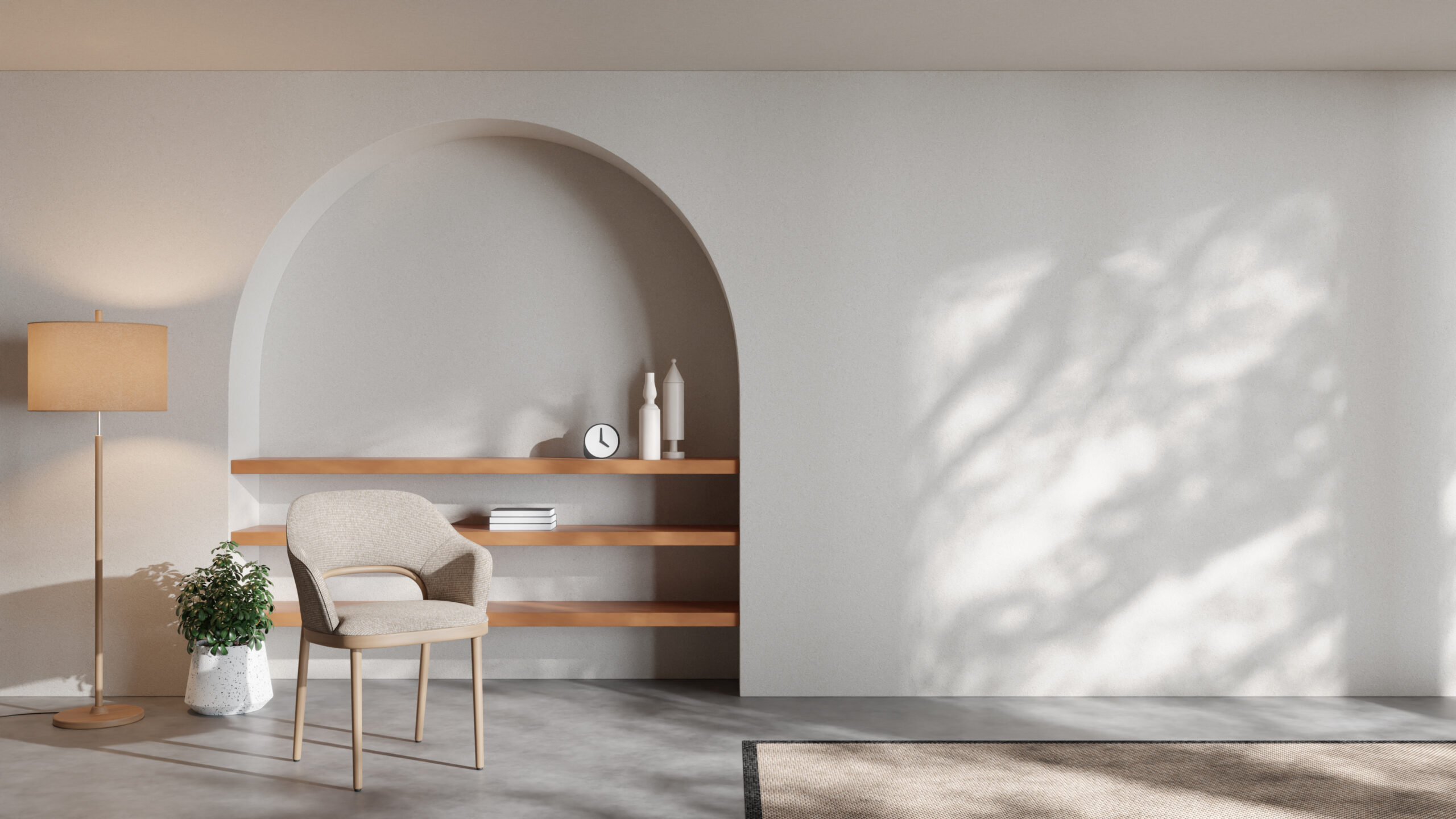
Zoning can be used to remove unnecessary clutter while retaining functionality. Instead of crowding the rooms with several pieces of furniture with different functions, functional minimalism focuses on well-chosen pieces that serve specific functions. One can add a seating area, a reading corner, or an entertainment area without getting cluttered in the areas where people live.
Did you know?
The rental market of Houston has been at a steady growth rate, where the average rent has increased by approximately 4-5 in the past years.
- Buy Multifunctional Furniture
Minimalist design depends on efficiency, and multi-functional furniture occupies an intermediate position in achieving this balance. Multipurpose furniture eliminates the need for additional furniture, while still being comfortable and useful.
Sofa beds, storage furniture, and expandable dining tables enable living areas to accommodate various needs without adding more floor area. Inbuilt shelving or movable furniture unit systems also add to organized interiors and assist with changing household needs.
The choice of flexible furniture pieces is important, as each one will play a significant role in the design. Instead of eliminating the comfort of the house, functional furniture only increases its flexibility without making the overall design complex.
- Hidden Storage Use to keep Visual Lines Clean
Storage solutions are important because they help declutter interiors and ensure comfort. Alternatively, storage spaces may be hidden to keep the room’s visual simplicity intact without interfering with the everyday objects.
Cabinets equipped with built-in handles, under-bed drawers, and wall-mounted shelves and systems help keep the layout uncluttered without overloading it. Cabinetry can also be designed in-built to produce seamless storage that blends with the room’s architecture.
Once the clutter is in the background, the room’s overall environment can feel more relaxed and welcoming. In interior design, clean surfaces and neatly arranged storage areas enable the elements to be seen without any distraction.
Did you know?
The rental market in San Diego has been experiencing stable growth, with average rent increasing by about 3-4% each year.
- Emphasize Natural Light and Open Space
Minimalist interiors are increased by natural light, which creates a sense of openness and serenity. A home has large windows, light-colored walls, and reflective surfaces that help to maximize light in the home.
There are very slight window dresses or see-through curtains that enable the daylight to penetrate into the room. This effect is further enhanced by the strategic placement of mirrors that reflect light in the room.
Visual clarity is also achieved by open space between pieces of furniture. Rather than cramming every available space with decorations, spacing out objects gives the minimalist look a boost and gives rooms a perception of being bigger and better.
- Choose Careful Decoration, Not Overcrowded Decorations
Functional minimalism does not remove the idea of decoration; rather, it highlights well-selected elements of decoration, which add to the mood without overloading the eye. One or two chosen pieces are better than a lot of smaller objects that are scattered all over the room.
Minimalist interiors can be used to add personality to large pieces of art, sculptural lighting fixtures, or textured fabrics. Warmth and organic texture are also benefits of indoor plants, as well as the clean and balanced look.
The objective is deliberate, not non-deliberate. Every ornament must make a contribution to the atmosphere and the intentions of the place, as well as assist in the overall simplicity of the design.
End Point
Minimalism as a functionality proves that comfort and simplicity are a gorgeous combination in modern houses. Interiors with strategic zoning, multifunctional furniture, concealed storage, natural illumination, and selected decor are organized and attractive. Minimalist layouts are effective in competitive rental markets where well-designed spaces appeal to tenants seeking calm, efficient surroundings. By decluttering with a purpose of design, and not empty spaces, houses attain a beautiful balance of magnificence, utilitarianism, and comfort in the daily routine.