

Tired of watching your water bill climb during every dry spell? Feeling guilty every time you turn on the sprinkler in a UK summer?
You want a beautiful lawn, but the endless mowing, watering, and feeding is time-consuming—and not exactly planet-friendly. The truth is, you don’t have to choose between a green garden and going green.
Here’s how to save money season after season, have a perfect lawn, and protect the planet.
Choose Native and Climate-Friendly Plants
One of the easiest ways to create a more sustainable lawn is to select plants that naturally thrive in the British climate.
Native and climate-adapted plants require less watering, fewer fertilisers, and far less maintenance than species that struggle in local conditions.
Plants such as blue fescue, heather, and wild marjoram cope well with typical UK weather patterns, from damp springs to dry summer spells.
Because they are already suited to the soil and climate, they tend to establish themselves quickly and remain resilient throughout the seasons.
Garden centres across the UK often provide advice on suitable native species for your region. Choosing these plants allows you to create a lawn that looks vibrant, and at the same time, requires fewer resources to maintain.
Support Local Wildlife and Pollinators
An eco-friendly lawn does more than save water. It can also provide a valuable habitat for beneficial insects and wildlife.
Many native plants attract pollinators such as bees, butterflies, and hoverflies, which play an essential role in maintaining healthy ecosystems.
Introducing a few flowering lawn varieties or small wildflower patches can transform a simple garden into a lively outdoor space. Even a modest suburban lawn can support biodiversity when it includes plants that offer nectar and shelter.
Encouraging wildlife into your garden is quite beneficial. You will maintain the natural balance of that small biome and keep the pests under control. Just that simple action promotes a healthier environment overall.
Use Smart Watering Techniques
Watering your lawn efficiently is one of the most effective ways to reduce water waste and lower your household bills. In the UK’s temperate climate, lawns often need less irrigation than many homeowners assume.
The best time to water grass is early in the morning or later in the evening when temperatures are lower.
This allows moisture to soak into the soil rather than evaporating in the heat of the day. Watering deeply but less frequently also encourages stronger root systems, helping grass cope better during dry spells.
Many gardeners now collect rainwater in water butts connected to guttering systems. Using stored rainwater to irrigate your lawn is both environmentally responsible and cost-effective. It’s particularly so during warmer months.
Leave Grass Clippings on the Lawn
Grasscycling is a simple but highly effective technique for improving lawn health while reducing waste. Instead of collecting and disposing of grass clippings after mowing, you leave them on the lawn to break down naturally.
As the clippings decompose, they return valuable nutrients to the soil, acting as a natural fertiliser. This process helps retain moisture, encourages healthy microbial activity in the soil, and reduces the need for synthetic products.
When done correctly, grasscycling does not leave the lawn looking messy. With a sharp mower blade and regular mowing schedule, the clippings remain small enough to blend neatly into the grass.
Choose Organic Fertilisers and Natural Pest Control
Chemical fertilisers and pesticides can harm soil health, contaminate water systems, and disrupt beneficial insect populations. Switching to organic alternatives allows you to nourish your lawn while protecting the surrounding environment.
Compost, well-rotted manure, and organic lawn feeds provide nutrients slowly and naturally, improving soil structure over time. Healthy soil produces stronger grass that is better able to resist weeds and pests.
For pest management, many gardeners rely on natural solutions such as encouraging beneficial insects or using plant-based treatments like neem oil. These methods control unwanted pests without introducing harsh chemicals into your garden.
Maintain Your Lawn Mower for Maximum Efficiency
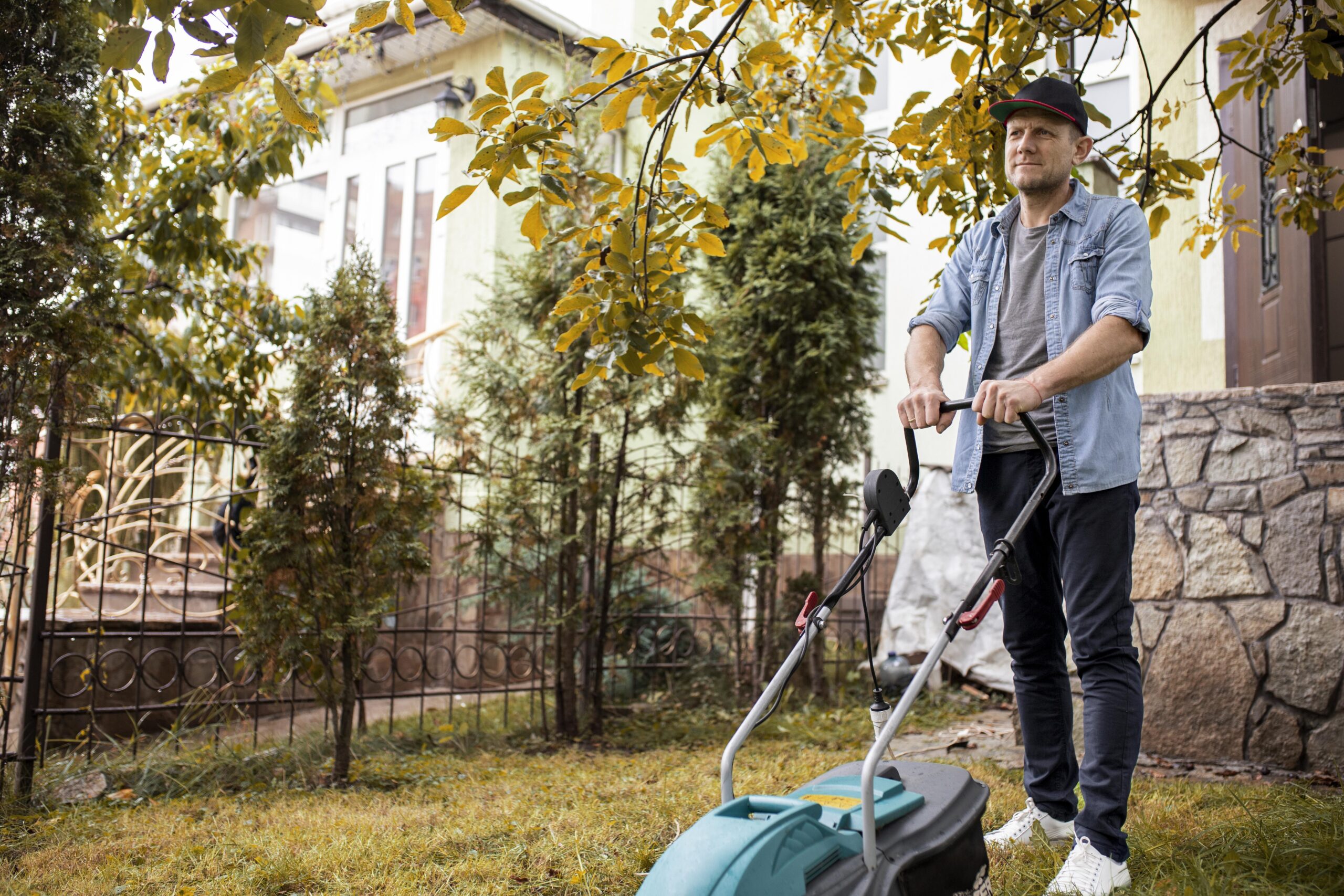
Proper mower maintenance is an often-overlooked part of sustainable lawn care. A well-maintained mower cuts grass cleanly and operates more efficiently, reducing fuel consumption and emissions.
Sharp blades are particularly important. When blades become dull, they tear grass rather than cutting it cleanly, leaving the lawn vulnerable to disease and dehydration. Regular blade sharpening ensures healthier grass and a more professional finish.
It is also helpful to clean the mower after each use and service it periodically. Some homeowners even choose electric or manual mowers, which produce fewer emissions and operate more quietly than traditional petrol models.
Start a Compost System for Natural Fertiliser
Creating a compost system is an excellent way to recycle garden and kitchen waste while producing nutrient-rich material for your lawn. A simple compost bin can transform everyday scraps into valuable organic fertiliser.
Grass clippings, vegetable peelings, dried leaves, and garden trimmings can all be added to the compost pile. Over time, these materials break down into a dark, crumbly compost that improves soil fertility and water retention.
Many gardeners also use compost tea, a diluted liquid made from compost, to feed lawns and plants naturally. Composting reduces landfill waste and provides a free source of nutrients for your garden.
Adjust Lawn Care Throughout the Seasons
Eco-friendly lawn care works best when it adapts to the changing seasons. Each time of year brings different conditions that affect grass growth and maintenance needs.
During spring, lawns benefit from aeration and overseeding to repair winter damage and encourage fresh growth. Applying organic fertiliser at this stage can strengthen the grass before the growing season begins.
In summer, mowing slightly higher helps grass retain moisture and withstand heat. Autumn is an ideal time to remove fallen leaves, enrich the soil with organic matter, and prepare the lawn for winter dormancy.
During winter, rain never stops, and reducing foot traffic helps protect the soil structure and prevents compaction.
By adjusting your lawn care routine throughout the year, you can maintain a healthy lawn while using fewer resources.
For homeowners who want to maintain a greener garden but lack the time or equipment, working with professionals can make the process much easier.
Many experienced gardeners now specialise in eco-friendly lawn care that protects both your lawn and the environment. Professional services can also assess soil health, recommend suitable native plants, and create long-term care plans tailored to your garden’s conditions.
Conclusion
Eco-friendly lawn care offers a practical way to reduce water use, cut maintenance costs, and support the environment.
Working with natural processes rather than relying on intensive maintenance is a smart approach. This way, you can enjoy a greener garden that benefits your home, your budget, and the wider ecosystem.