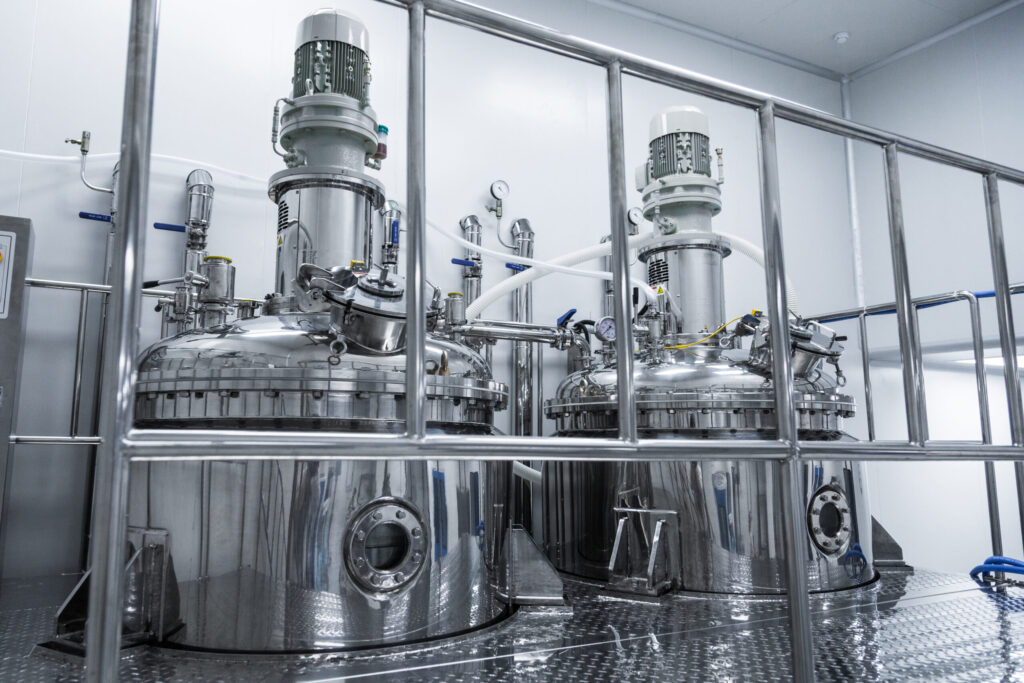
When you’re running an industrial operation, whether it’s in food processing, chemical manufacturing, or any other field that involves large-scale tank systems, one thing is clear: you want your equipment to last. But here’s the truth: no matter how powerful your machinery is, its longevity often depends on the smallest components, like tank fittings. So, why leave those crucial parts to chance?
The truth is, the fittings you choose for your tanks can make or break your system. Cheap fittings may seem like a bargain at first, but they can cause a host of problems down the line, including leaks, corrosion, and even full system failures. And that’s the last thing you want when your business depends on uptime and efficiency.
So, how do you protect your investments and ensure your equipment is running smoothly for years to come? Simple—by choosing high-quality, durable tank fittings. Let’s break down why stainless steel is the way to go and how it can save you money and headaches in the long run.
The Risk of Low-Quality Tank Fittings
We’ve all been there—buying something that seems like a good deal at the time, only to regret it later. Maybe it’s a cheap gadget that breaks within a month or a pair of shoes that wear out way too quickly. Now, imagine that scenario playing out in your industrial equipment. The consequences are much bigger than just a busted product.
Low-quality tank fittings, typically made from cheaper materials like plastic or lower-grade metals, are prone to a lot of issues. They might be cost-effective upfront, but they come with hidden costs that add up fast. Leaks, cracks, corrosion—these are just a few of the issues that can plague low-grade fittings.
Here’s the kicker: these problems don’t just mean replacing parts; they can also lead to downtime, expensive repairs, and, in some cases, safety hazards. A small leak in a tank fitting could lead to a system failure, or worse, a major environmental or safety incident. So, in the long run, cheap fittings aren’t really all that “cheap” when you factor in all the costs of maintenance, repairs, and lost production.
Why Stainless Steel Tank Fittings Are the Superior Choice
Let’s get real. Stainless steel isn’t just some fancy material that people talk about to sound technical. It’s the material you want when you’re looking for long-lasting, reliable, and safe fittings. And here’s why:
- Durability: Stainless steel is tough. It’s resistant to rust, corrosion, and wear and tear. It can stand up to high pressure, temperature fluctuations, and even harsh chemicals, making it perfect for a wide range of industrial applications.
- Corrosion Resistance: One of the biggest problems with lower-quality fittings is that they rust or corrode over time. That’s a serious issue, especially in industries where hygiene and safety are top priorities, like food processing and pharmaceuticals. Stainless steel, on the other hand, stays rust-free, which means fewer worries about contamination and equipment failure.
- Strength: Stainless steel is incredibly strong and resistant to cracking or breaking under pressure. Unlike plastic or cheap metals, it won’t bend or warp easily, which means your system remains solid and stable.
- Long Lifespan: You want something that will last, right? Stainless steel fittings can easily last years, even decades, without showing signs of wear. When you choose stainless steel, you’re making a long-term investment in your business.
So, why take risks with lesser materials when you can opt for something that’s built to last?
When choosing tank fittings, stainless steel tank fittings stand out for their unparalleled resistance to wear and tear, making them a top choice for industries that rely on safe and efficient systems. Think about it: with stainless steel, you’re not just investing in a product; you’re investing in peace of mind.
Long-Term Cost Savings with Stainless Steel
Sure, stainless steel fittings might cost more upfront compared to their plastic or lower-grade counterparts, but let’s talk about the big picture. In the long run, they’re actually the more cost-effective choice.
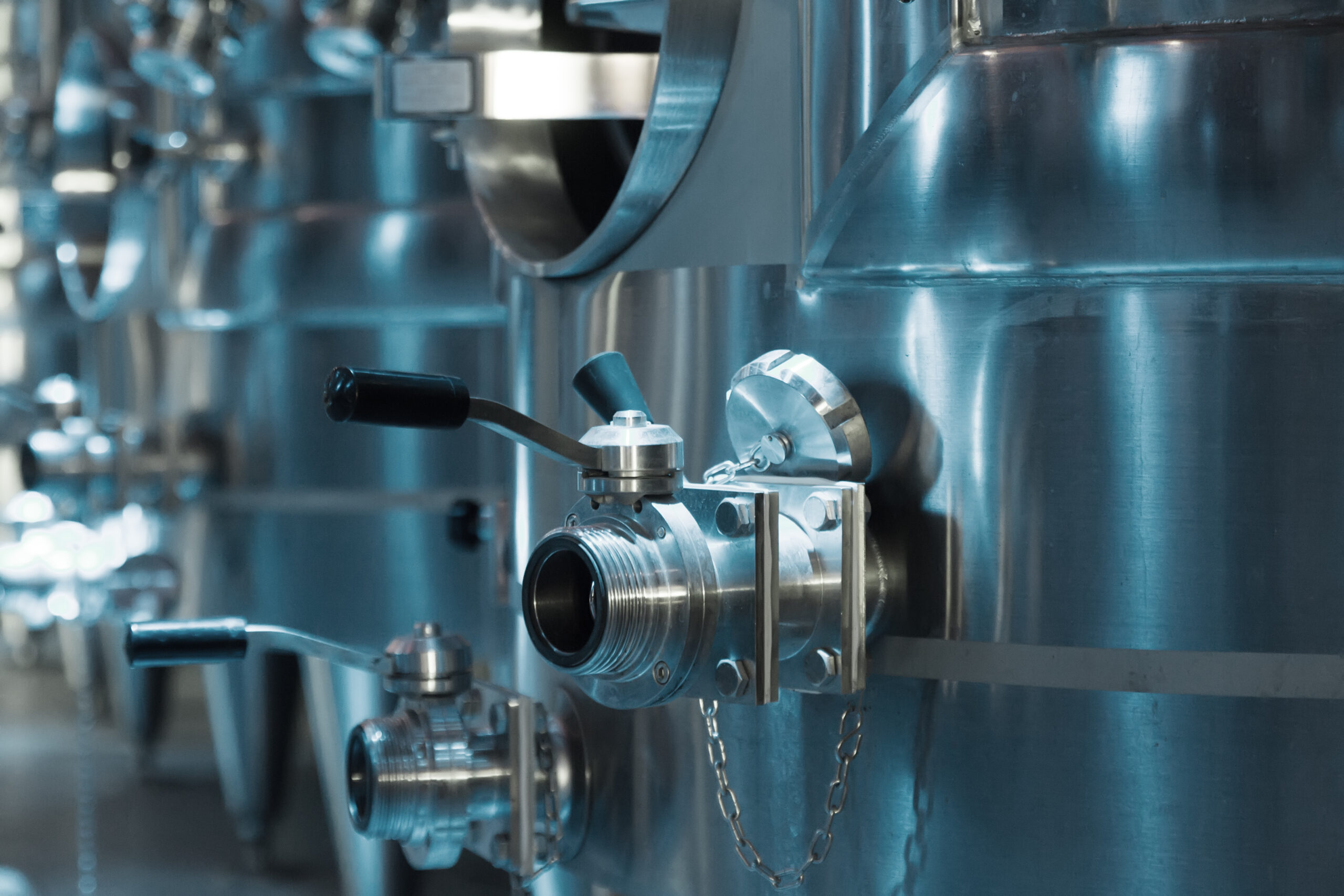
Here’s why: When you use cheaper fittings, you’ll likely end up spending more on repairs, replacements, and even emergency downtime. It’s an inevitable cycle that drains your resources. But with stainless steel, you’re paying for a durable, long-lasting solution that won’t need constant maintenance or early replacement.
Think about how often you’d need to replace plastic fittings, especially if they’re exposed to high temperatures or chemicals. Eventually, they’ll degrade, crack, or break, forcing you to replace them repeatedly. Stainless steel, on the other hand, stays strong for years, cutting down on those unexpected expenses.
And let’s not forget about the potential costs of downtime. If a fitting fails in the middle of an operation, your entire production process could come to a halt. That means lost revenue, missed deadlines, and frustrated customers. By using high-quality stainless steel fittings, you’re reducing the risk of those costly interruptions.
In the end, steel tank fittings are an investment that keeps on giving. They may cost more now, but they’ll save you money by keeping your systems running smoothly and reducing the likelihood of costly repairs or replacements.
Ensuring Safety and Compliance with High-Quality Fittings
Safety is a big deal—especially when you’re working with chemicals, food products, or any other materials that can be dangerous if handled incorrectly. That’s why using the right materials for your equipment is non-negotiable.
Steel tank fittings help maintain safety standards by preventing leaks, ensuring proper pressure control, and reducing the risk of contamination. When you use top-quality materials like stainless steel, you’re protecting not only your equipment but also your team and your customers.
And then there’s the issue of compliance. Many industries, like food and beverage or pharmaceuticals, have strict regulations that require you to meet certain hygiene and safety standards. Stainless steel fittings are highly regarded in these industries because they meet these standards, helping you avoid any compliance issues or penalties.
Investing in high-quality stainless steel fittings isn’t just a smart move for your equipment—it’s also a smart move for your business’s reputation and compliance.
How to Choose the Right Steel Tank Fittings
Now that you’re sold on the benefits of stainless steel, the next step is figuring out how to choose the right fittings for your system. Fortunately, it’s not as complicated as it might seem. Here are a few things to keep in mind:
- Understand Your System Needs: Different industries and applications require different types of tank fittings. Consider factors like the size of your tanks, the temperature and pressure levels they’ll be exposed to, and any chemicals or substances that will be stored or processed.
- Material Specifications: Not all stainless steel is the same. There are different grades of stainless steel, each with its own unique properties. Make sure you select fittings that are specifically designed for your application and are made from the right grade of stainless steel.
- Compatibility: Make sure the fittings are compatible with your existing system. This means checking for correct sizes, thread types, and pressure ratings.
- Trustworthy Supplier: The quality of your fittings will depend on where you source them. Work with a reputable supplier who can provide you with high-quality, certified steel tank fittings.
Conclusion: Investing in Quality for Long-Term Success
At the end of the day, it all comes down to protecting your investments. When you choose high-quality steel tank fittings, you’re not just ensuring that your equipment performs well today—you’re ensuring it performs well for years to come. By opting for durable, corrosion-resistant, and strong materials, you’ll save money, reduce downtime, and avoid costly repairs.
So, don’t settle for less. Choose the fittings that are built to last and keep your operations running smoothly. Your equipment—and your bottom line—will thank you.