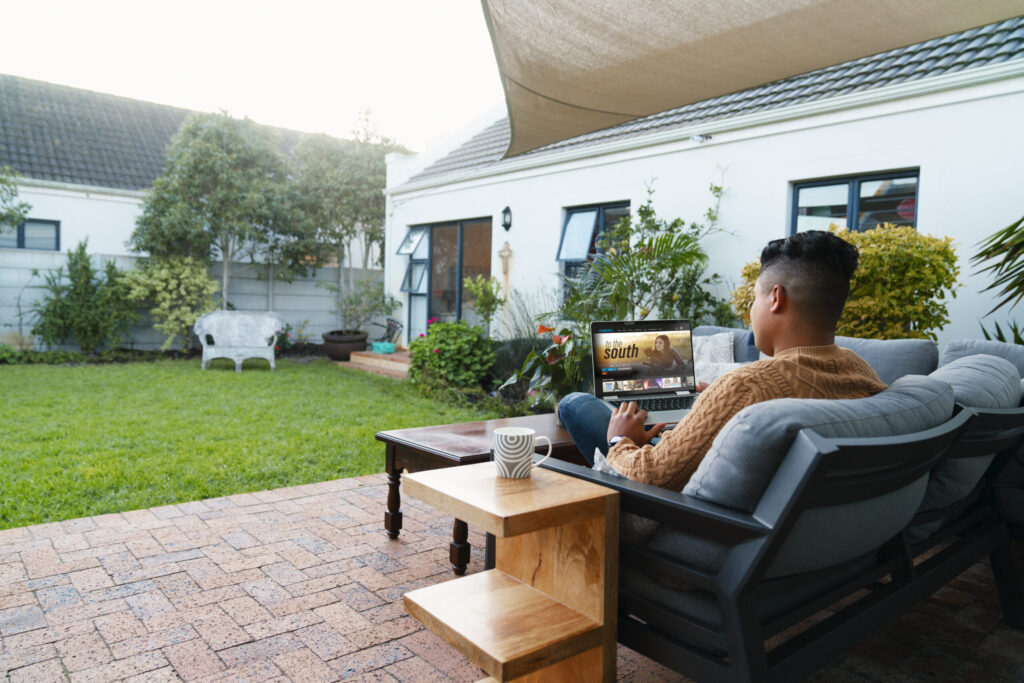
Outdoor trends move fast. One year it’s sleek concrete and sharp lines, the next it’s earthy textures and soft curves. Scroll through old renovation photos and you can often pinpoint the exact year a space was designed — not because it’s bad, but because it’s obviously of its time.
If you’re investing in an outdoor area, that’s a problem. Unlike cushions or décor, surfaces and layouts aren’t easy to swap out. The secret to longevity isn’t predicting the next trend. It’s designing in a way that doesn’t rely on trends in the first place.
Why Trend-Driven Outdoor Spaces Age So Quickly
Trends usually focus on strong visual statements. High-contrast colours, ultra-smooth finishes, or highly specific patterns look great when they’re new and widely used. Once tastes shift, those same features can make a space feel dated almost overnight.
Outdoor areas are especially vulnerable because they’re exposed to weather and wear. When a design relies on precision and perfection, ageing becomes obvious. Small cracks, stains, or colour changes stand out instead of blending in.
That’s why timeless spaces tend to lean on materials and layouts that already feel familiar. For example, many long-lasting outdoor designs use irregular stone finishes or organic layouts. Surfaces like Crazy Pave from GatherCo work in this context because they don’t hinge on being “current” — they feel established from day one.
Timeless Design Is About Restraint, Not Playing It Safe
There’s a common misconception that avoiding trends means ending up with something bland. In reality, timeless design isn’t boring — it’s selective.
Instead of stacking multiple bold ideas into one space, timeless outdoor areas usually:
- Choose one strong, grounding surface
- Keep colour palettes narrow but textured
- Let form follow function rather than fashion
This creates a base that can adapt. Furniture, plants, and accessories can evolve over time without clashing with the foundation of the space.
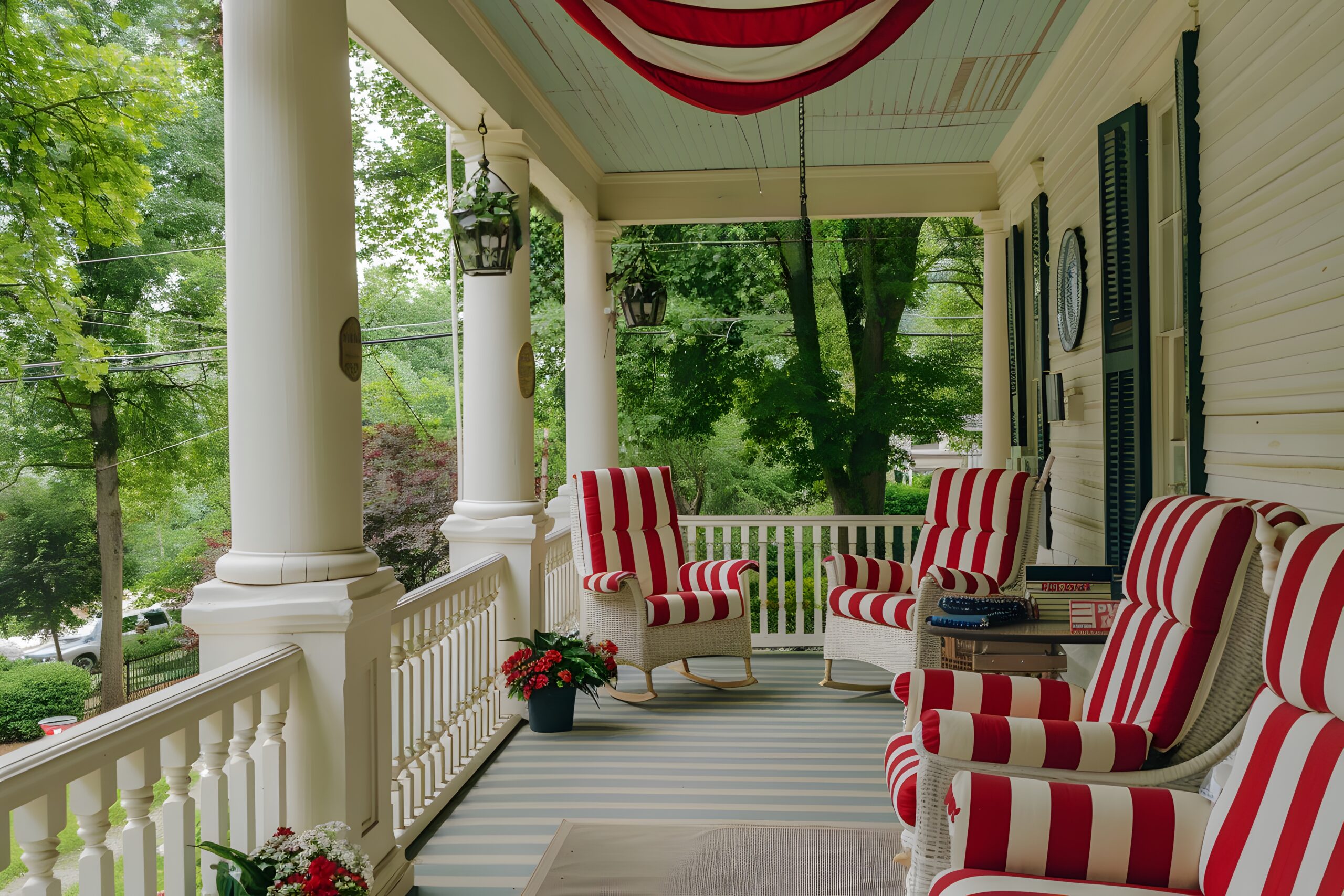
Choose Materials That Don’t Rely on Perfection
Some materials look good only when they’re flawless. Others look good because they aren’t.
Highly uniform surfaces tend to show their age quickly. Once a section discolours or shifts, the contrast becomes obvious. Materials with natural variation hide these changes, which helps the space feel consistent even as it ages.
When selecting materials, consider how they’ll look after years of use, not just on installation day. Ask yourself:
- Will wear add character or highlight damage?
- Does this surface need regular sealing or refinishing?
- Will small imperfections be noticeable or forgiven?
Materials that answer these questions well are far more likely to stand the test of time.
Avoid Designs That Depend on One Trendy Feature
Outdoor spaces that revolve around a single statement element often age the fastest. Once that feature feels outdated, the entire space feels off.
Instead of building around a trend, build around how the space will be used. Dining, relaxing, walking through, entertaining — these needs don’t change nearly as fast as design preferences.
A functional layout anchored by durable surfaces gives you flexibility. Trends can come and go through smaller elements without forcing a full redesign.
Let Nature Set the Tone
Nature has been doing “timeless” design forever. Stone paths, uneven textures, and weathered finishes have existed long before modern trends and will continue long after them.
Taking cues from natural environments helps outdoor areas feel grounded rather than styled. This doesn’t mean rustic or messy — it means choosing finishes that feel comfortable outdoors rather than imported from indoor trends.
Natural-looking materials also transition well between styles. Whether tastes lean modern, classic, or somewhere in between, they rarely feel out of place.
Design for Change, Not Control
One reason trend-heavy spaces date quickly is that they don’t tolerate change well. Rearranging furniture, adding plants, or even normal wear can disrupt the original “look”.
Timeless outdoor areas are more forgiving. They allow for:
- Seasonal changes in planting
- Different furniture styles over time
- Everyday mess without visual stress
When a space doesn’t demand control, it stays enjoyable longer.
Focus on Proportions and Flow
Proportions age better than patterns. A well-sized patio, a comfortable walking path, or a balanced transition between indoor and outdoor spaces will always feel right, regardless of style trends.
Flow matters more than finishes. If an outdoor area is easy to move through and feels intuitive to use, it will stay relevant even as design tastes evolve.
Trends Can Still Have a Place — Just Not Everywhere
Avoiding dated spaces doesn’t mean ignoring trends entirely. It means keeping them in places that are easy to update.
Good candidates for trend-driven choices include:
- Furniture
- Lighting fixtures
- Soft furnishings
- Decorative planters
These elements can be refreshed without touching the bones of the space.
Building an Outdoor Area That Lasts
Outdoor spaces that don’t date after one trend cycle usually share a quiet confidence. They aren’t trying to impress immediately. They’re designed to feel good year after year.
By prioritising function, choosing forgiving materials, and letting natural variation do some of the work, you create a space that evolves gracefully. Trends will keep moving — but your outdoor area won’t feel like it’s chasing them.