
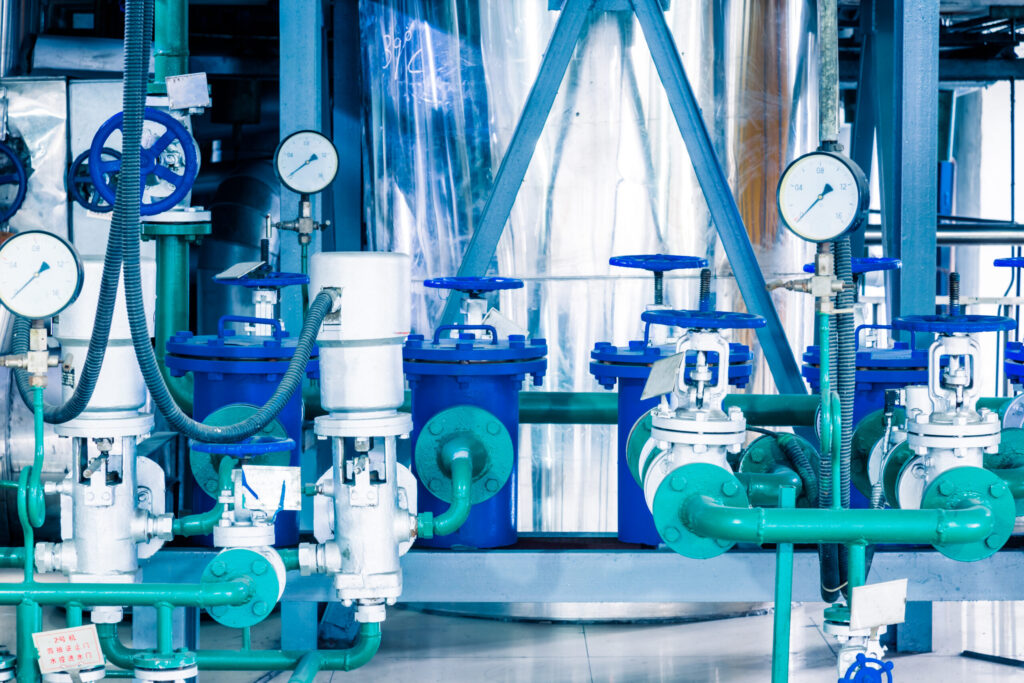
Most of the systems that keep homes and buildings running smoothly go completely unnoticed—until something goes wrong. Heating, cooling, plumbing, and electrical setups all rely on small, unassuming components working quietly in the background. When they do their job properly, no one thinks about them. When they fail, the consequences can be costly and disruptive.
It’s often not the big, obvious machinery that causes major problems, but the overlooked supporting systems that quietly manage excess, pressure, or waste. These are the safeguards designed to prevent small issues from escalating into serious damage.
Why “invisible” systems matter more than people realise
Modern buildings are full of processes happening out of sight. Moisture is collected, redirected, and removed. Heat is transferred. Pressure is balanced. Each step depends on something working consistently, even though it’s rarely visible to occupants.
One good example is how air conditioning systems deal with condensation. As units cool warm air, moisture naturally forms and needs to be removed efficiently. This is where components like condensate pumps play a critical role, moving collected water away before it can cause leaks or internal damage.
Because these systems work silently, people tend to assume they’re foolproof—until a failure proves otherwise.
Small failures rarely stay small
When a hidden system stops doing its job, the effects often appear somewhere else entirely. A ceiling stain, a musty smell, or unexplained shutdowns may seem unrelated at first, but they’re often symptoms of a simple mechanism failing behind the scenes.
Common knock-on effects include:
- Water damage to walls, floors, or ceilings
- Electrical faults caused by moisture exposure
- Mould growth in enclosed spaces
- Unexpected system shutdowns
In many cases, the original issue could have been prevented with basic awareness and maintenance.
Why these systems are easy to ignore
There are a few reasons silent systems are overlooked:
- They don’t require daily interaction
- They’re often installed out of sight
- They usually fail gradually, not suddenly
Because problems develop slowly, people adapt without realising something is wrong. A bit of extra humidity or a faint smell doesn’t always trigger concern, even though it may be an early warning sign.
The role of redundancy and safeguards
Well-designed systems often include backups or fail-safes to reduce risk. Float switches, overflow sensors, and secondary drainage paths exist to prevent damage if one part stops working correctly.
However, these safeguards are not indestructible. They still rely on:
- Proper installation
- Periodic inspection
- Clear drainage paths
Ignoring them for too long increases the chance that multiple layers of protection fail at once.
Early warning signs people tend to miss
Because the systems are quiet, the clues are subtle. Paying attention to small changes can make a big difference.
Things worth noticing include:
- Unusual humidity levels indoors
- Dripping sounds with no visible source
- Intermittent system shutdowns
- Persistent damp patches
These signs are often dismissed as minor annoyances, but they’re usually the system asking for attention.
Maintenance is less dramatic than repairs
Preventative care doesn’t feel urgent, which is why it’s often delayed. But routine checks are almost always simpler and cheaper than dealing with the aftermath of failure.
Regular maintenance typically involves:
- Checking drainage lines for blockages
- Ensuring moving parts operate freely
- Cleaning components exposed to moisture
- Verifying safety switches still respond correctly
These steps don’t take long, but they significantly reduce the risk of major disruption.
Why modern buildings rely on more of these systems
As buildings become more efficient and compact, there’s less margin for error. Systems are more interconnected, and failures spread faster than they used to.
Higher insulation, sealed environments, and larger HVAC systems mean that moisture management and pressure control are more important than ever. Silent systems carry more responsibility, even though they remain largely unseen.
Awareness is the real protective layer
Technology helps, but awareness is what truly prevents failures. Understanding that critical systems operate quietly in the background changes how people respond to early warning signs.
Instead of reacting to visible damage, informed owners and managers act when something feels slightly off. That mindset often prevents the need for emergency repairs altogether.
Quiet systems, big impact
The most effective systems don’t draw attention to themselves. They work consistently, prevent problems, and fade into the background of daily life. But their importance becomes clear the moment they stop working.
By recognising the role of silent systems and giving them occasional attention, it’s possible to avoid many of the major failures that seem to come out of nowhere. Most disasters don’t start big—they start quietly, in places no one thinks to look.