Replacing a garage floor costs $4,300 on average – but a high-quality coating protects it for decades at a fraction of that price. (Angi, 2025)
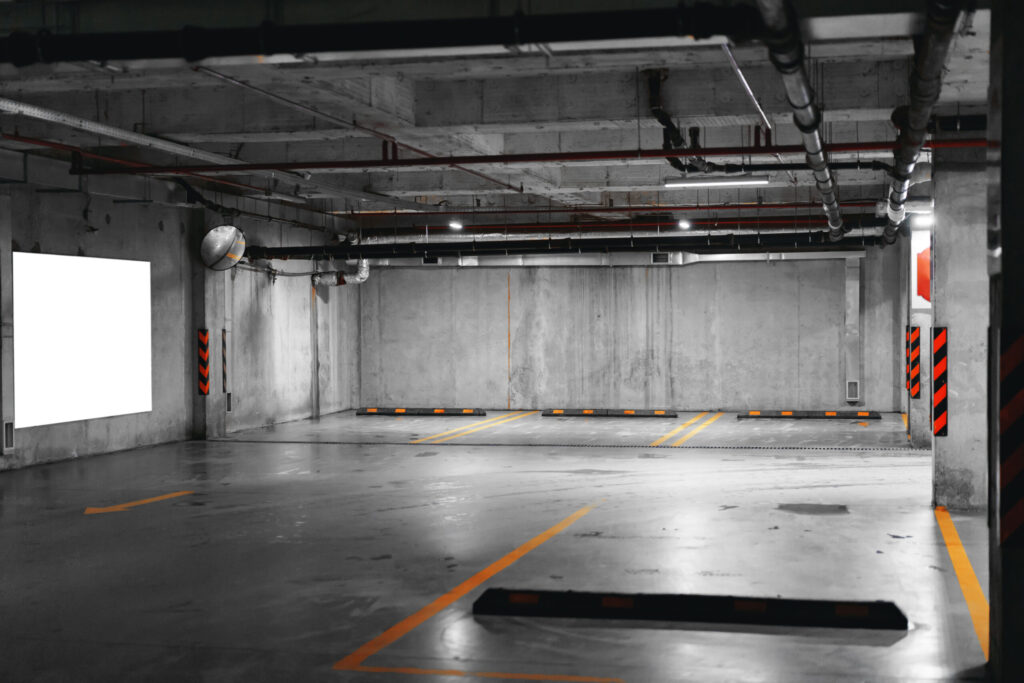
Your garage floor takes a beating every day – car tires, oil drips, dropped tools, salt tracked in from outside. Yet most homeowners leave it as bare concrete and watch it crack, stain, and crumble over time.
The good news: the right coating turns a dull slab into a surface that’s tough, easy to clean, and looks great. The bad news: pick the wrong one and you’ll be peeling it off within two years.
This guide cuts through the confusion. Here’s exactly what works, what doesn’t, and how to choose.
The 4 Garage Floor Coating Options – Ranked Honestly
Not all coatings are equal. Here’s a straightforward breakdown:
- Polyaspartic – Best Overall
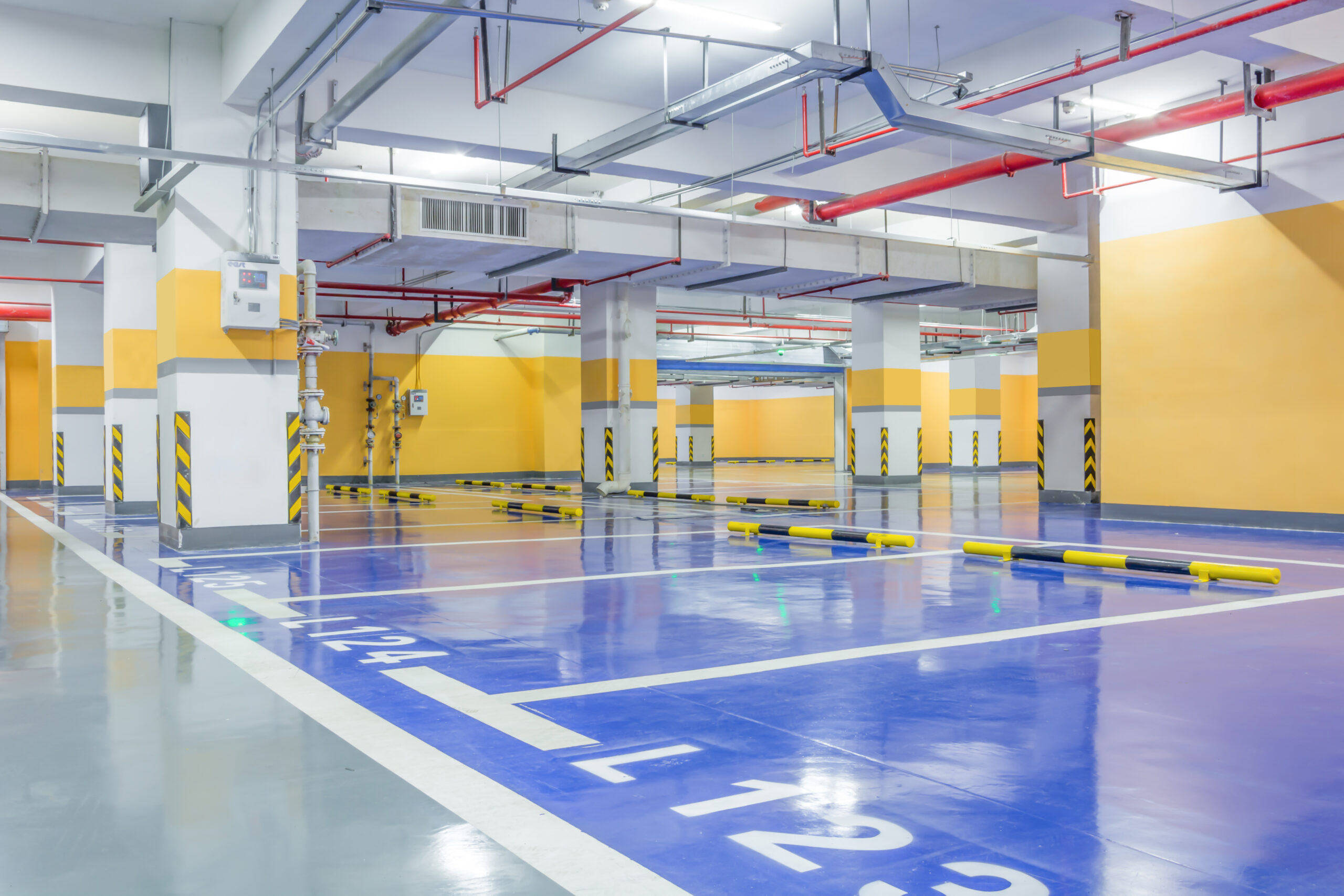
Polyaspartic floor coating is the gold standard for garage floors in 2025. It penetrates deep into concrete, cures in 4-6 hours, and holds up against UV rays, oil, hot tire marks, and road salt – without yellowing.
Best for: Homeowners who want a permanent solution and can’t afford days of downtime.
Cost: $3-$8 per sq ft (professional install).
Lifespan: 15-25+ years. Many come with lifetime warranties.
Catch: Requires professional installation. Not a DIY-friendly product.
- Epoxy – Best for DIY on a Budget
Epoxy flooring has dominated garage floors for decades. It bonds chemically with concrete, resists stains and chemicals, and delivers that glossy, showroom look. Today’s formulations last 10-20 years with proper prep.
Best for: Homeowners comfortable with surface prep and a multi-day project.
Cost: $3-$12 per sq ft professional / $100-$500 DIY kit.
Lifespan: 10-20 years (professional); 1-5 years (cheap DIY kit).
Catch: Sensitive to moisture and temperature during application. Skipping prep = peeling within months.
- Polyurea – Fastest Cure Time
Polyurea shares most of polyaspartic’s strengths – UV stability, chemical resistance, flexibility – but cures even faster. It’s ideal when you need the garage back in use same-day.
Best for: High-traffic garages, workshops, or climates with big temperature swings.
Cost: $4-$8 per sq ft.
Lifespan: 15-20+ years.
- Floor Paint / Acrylic Sealer – Skip It
Floor paint is cheap, easy, and tempting. It’s also a waste of money for most garages. It sits on top of concrete rather than bonding with it, meaning it chips, peels, and fades within 1-3 years under car traffic.
Use floor paint only for storage-only garages with zero vehicle traffic. For anything else, it’s a short-term fix that costs more in the long run.
How to Choose the Right Coating for Your Situation
The ‘best’ coating depends on three questions:
Are you DIYing or hiring a pro?
If DIY: Start with a quality water-based epoxy kit (not bargain-bin). Spend the money on proper concrete prep – acid etching or diamond grinding. Skipping this step is why most DIY coatings fail.
If hiring a pro: Go polyaspartic or polyurea. The price jump is worth it for the durability and faster turnaround.
How hard is your garage used?
Light use (occasional parking, storage): Epoxy is plenty. Heavy use (daily parking, workshop, car maintenance): Polyaspartic or polyurea. They resist hot tire marks and chemical spills that destroy standard epoxy.
What’s your climate like?
Hot, sunny garages: Avoid standard epoxy – it yellows under UV. Choose polyaspartic or polyurea instead. Cold climates with freeze-thaw cycles: Polyurea’s flexibility makes it better than rigid epoxy for concrete movement.
The One Step Most People Skip (And Regret)
Surface preparation is the single biggest factor in whether your coating lasts 2 years or 20 years. Every expert agrees on this.
Before any coating goes down, your floor needs to be:
- Cleaned of all oil, grease, and stains
- Ground or acid-etched so the coating has texture to grip
- Dry – moisture vapor pushing up through concrete is the #1 cause of coating failure
- Crack-filled if there are existing cracks
If a contractor skips the prep work to save time, that’s a red flag. Walk away.
Quick Comparison at a Glance
Polyaspartic: Best overall | Pro install | $3-$8/sqft | 20+ years | UV stable ✓
Polyurea: Fastest cure | Pro install | $4-$8/sqft | 15-20 years | UV stable ✓
Epoxy: Best value | DIY-friendly | $3-$12/sqft | 10-20 years | Yellows in UV ✗
Floor Paint: Cheapest | Easy DIY | $0.50-$2/sqft | 1-3 years | Not recommended ✗
FAQs
Can I apply a new coating over old epoxy?
Sometimes – but only if the existing coating is fully bonded with no peeling. If it’s failing, you’ll need to grind it off first. New coating over bad old coating will fail the same way.
How long before I can drive on it?
Floor paint: 24-48 hrs. Epoxy: 3-7 days for full cure. Polyaspartic/polyurea: 24 hours or less.
Is a garage floor coating worth the money?
Yes – especially compared to the alternative. A full garage floor replacement costs $4,300 on average. A polyaspartic coating at $3-$8 per sq ft protects it for decades. It also makes cleaning spills effortless and significantly improves the look and resale appeal of your home.
What causes garage floor coatings to peel?
Almost always: poor surface prep, moisture in the concrete, or using a low-quality product not rated for vehicle traffic. A properly prepped floor with a quality coating won’t peel.
Bottom Line
If you want the best long-term result: hire a professional to install a polyaspartic system. It cures fast, lasts decades, and protects against everything your garage will throw at it.
If you’re on a budget and comfortable with prep work: a high-quality two-part epoxy kit is your best DIY option – just don’t skip the surface prep.
Either way, doing nothing is the most expensive choice of all.