
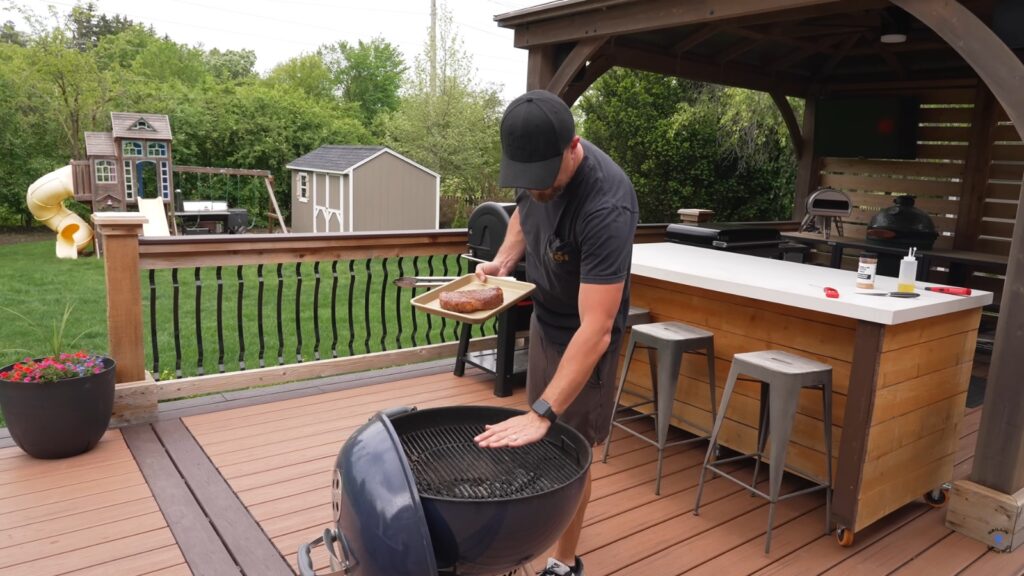
Grilled over charcoal, even the most basic food can somehow be made to feel like a treat. Even if it’s the same cut of meat or the same veggies you cook on your stovetop, there is a greater depth of smoky, complex flavour.
So if you’ve ever pondered why charcoal devotees are so dedicated, this is what a charcoal BBQ actually does to produce that full-bodied cooking flavour.
1. Add a Real Smoky Base Note
Charcoal strips away moisture as it lights, settles, and burns during cooking. The smoke contains flavour compounds that stick to the surface of food, particularly meats and anything with fat.
The result is a savoury “campfire” note that’s difficult to duplicate using another heat source. Even a quick grill can gain that extra layer, and so charcoal meals tend to taste fuller from the moment you bite in.
2. Boost Browning Through Higher Radiant Heat
BBQs that use coal don’t only cook with hot gas. They generate radiant heat from the coals that encourages a fast sear and stronger browning. That browning is where a great deal of flavour comes from.
The heat is direct and intense enough that you can build a crust on steaks, chops, and even burgers without drying the interior. It’s one of the main reasons charcoal bbq grilling tastes so “rich” instead of just cooked.
3. Help Render Fat in a More Flavourful Way
Fat is a flavour carrier, but how it melts and drips counts. Above coals, fat drips and renders onto hot embers, where it vaporises before drifting towards the meats as a flavourful smoke cloud.
That feedback loop is a lot of what people love about charcoal. You’re not just cooking over heat here; you’re cooking in a flavour cloud that the BBQ generates as all that fat hits the coals.
4. Let You Cook Low and Slow With Smoke Control
Charcoal isn’t only for quick searing. With the right configuration, you can bank the coals to one side, control airflow, and maintain a steady heat for longer cooks like ribs, brisket, lamb shoulder, or whole chooks.
Slower also means that smoke has more time to work its magic into the surface and that collagen-rich cuts have more time to soften. Done right, you get moist meat with a flavour that’s layered and complex: restaurant-level at home.
5. Make It Easy to Add Wood for Extra Depth
Charcoal plays so well with wood chunks or chips, and you get to put wood directly on the coals, which equals clean, aromatic smoke. Various woods offer different character—say, applewood for softer sweetness or hickory for a stronger, traditional BBQ profile. The best part is you can customise the flavour of the food without owning a smoker.
6. Give You Better Texture on Grilled Foods
The flavour is multifacetedly rich, but so is the texture. Charcoal heat helps you develop crisp edges, blistered skins, and slightly charred bits that give grilled foods their rewarding taste.
That difference between a crispy exterior and juiciness inside is why you feel like BBQ is a hearty meal. This is why grilled veggies can taste so different even if seasoned the same.
7. Encourage Simple Cooking That Still Tastes Big
When the smoke and sear perform a significant role, complex marinades are not necessary to enhance the flavour. Salt, pepper, oil and some herbs can get you a pretty good distance.
And if you’re in the market for a setup, thinking through a charcoal bbq can be a good way to view all the available styles and match them to how you like to cook.
8. Help You Cook With Feel, Not Just Settings
There’s a tactile nature to charcoal that alters the way you cook. You learn to read the heat by how the coals appear, where you put your food, and how the airflow reacts. That process also forces you to up your intent game in terms of timing and doneness.
Once you’re more comfortable, you’ll likely find that controlling heat zones, among other things, gives you more confidence to be creative with your cook.
A Better BBQ Bite Starts With What’s Under the Grill
If what you want is barbecue that tastes deep and bold, charcoal is one of the surest ways to get there. Try a basic model out, learn the heat control, and you will soon find yourself wondering why all those other people say, ‘once you go gas, you’ll never go back!’