Most serious electrical problems in homes do not appear out of nowhere. They start as minor issues that go unnoticed or ignored for months or even years. A flickering light might seem like nothing. A warm outlet cover might not raise concern. But these small signs often point to larger problems developing behind your walls.
Understanding what to watch for can help you catch electrical issues early, before they turn into expensive repairs or dangerous situations.
The Nature of Electrical Problems
Electricity follows the path of least resistance. When wiring, connections, or components begin to fail, the electrical current starts behaving differently. This change usually happens gradually. A loose connection gets a little looser over time. Insulation on old wires slowly breaks down. Circuits designed for fewer devices become increasingly overloaded as households add more electronics.
These slow changes mean that warning signs often appear long before a complete failure occurs. The challenge is recognizing them.
Flickering or Dimming Lights
Occasional flickering when a large appliance kicks on is normal. Your refrigerator or air conditioner draws a lot of power when starting up, which can briefly affect other circuits.
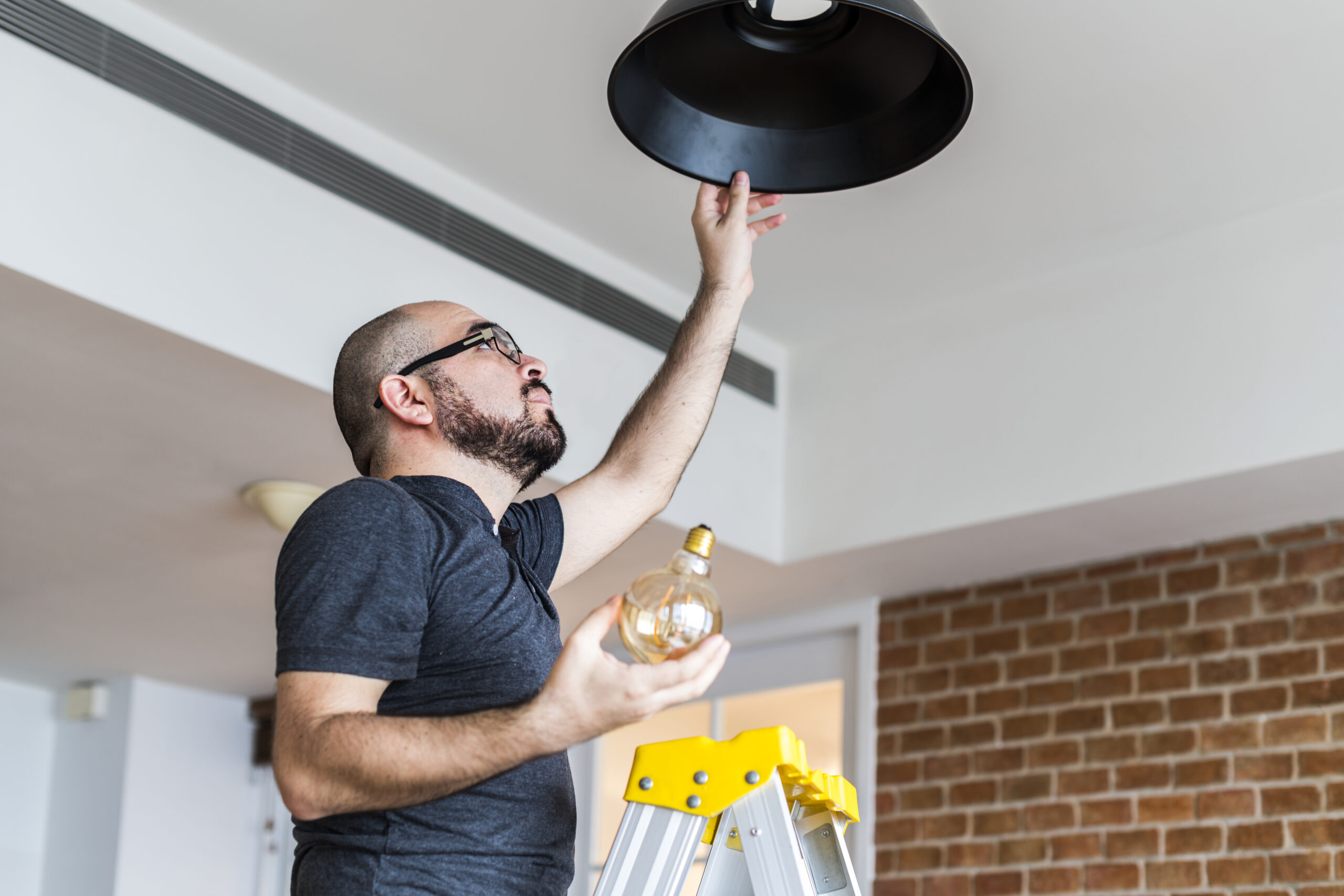
But lights that flicker regularly without an obvious cause deserve attention. This could indicate a loose connection somewhere in the circuit, a failing light fixture, or problems with the wiring itself. If multiple lights in different rooms flicker at the same time, the issue may be at the electrical panel or the connection between your home and the utility line.
Do not dismiss persistent flickering as a quirk of your home. It is your electrical system telling you something is wrong.
Outlets That Feel Warm
Electrical outlets should not feel warm to the touch under normal circumstances. A slight warmth after unplugging a device that was in heavy use is one thing. But an outlet that feels consistently warm, even when nothing is plugged in or when devices are idle, suggests a problem.
Warmth indicates resistance in the circuit. This resistance generates heat, and heat damages wiring over time. Damaged wiring generates more heat. This cycle can continue until the insulation melts or a fire starts.
Check your outlets periodically by placing your hand near them. Pay special attention to outlets behind furniture where heat buildup might go unnoticed.
Burning Smells and Discoloration
A burning smell near outlets, switches, or your electrical panel is a serious warning sign. This smell often comes from overheating plastic, melting insulation, or small electrical burns happening inside the wall.
Similarly, brown or black discoloration around outlets or switches indicates that heat damage has already occurred. Even if the outlet still works, the damage behind it may be significant.
If you notice these signs, stop using the affected outlet or switch immediately. Many homeowners in areas like Weatherford and surrounding communities mention turning to a trusted weatherford electric company when they encounter these warning signs, understanding that professional assessment is necessary for problems that could involve hidden damage.
Breakers That Trip Frequently
Circuit breakers exist to protect your home. When a circuit draws more current than it can safely handle, the breaker trips and cuts the power. This is the system working correctly.
However, a breaker that trips repeatedly points to an underlying issue. The circuit may be overloaded with too many devices. There may be a short circuit somewhere in the wiring. Or the breaker itself may be failing.
Resetting the breaker and continuing to use the circuit does not solve the problem. It just delays the consequences. Repeated tripping causes wear on the breaker and allows the underlying issue to persist.
Old or Outdated Wiring
Homes built more than forty years ago may have wiring systems that do not meet current safety standards. Aluminum wiring, knob-and-tube wiring, and ungrounded two-prong outlets were common in earlier decades but present risks in modern use.
These older systems were not designed for the electrical demands of contemporary households. Multiple computers, large televisions, kitchen appliances, and charging devices place loads on circuits that older wiring cannot safely handle.
If you live in an older home, knowing what type of wiring you have helps you understand your risk level.
Buzzing Sounds
Electricity should be silent. If you hear buzzing or humming from outlets, switches, or your electrical panel, something is wrong. These sounds typically indicate loose connections, faulty wiring, or problems with the components themselves.
A buzzing outlet might seem minor, but the sound represents electrical current going where it should not. This misdirected current creates heat and increases the risk of fire.
Taking Warning Signs Seriously
The common thread among all these warning signs is that they represent your electrical system struggling. Each sign is an opportunity to address a problem while it is still manageable.
Many homeowners make the mistake of waiting until something fails completely before taking action. By that point, the repair is often more extensive and expensive. In some cases, waiting leads to electrical fires that could have been prevented.
What Homeowners Can Do
Stay aware of how your electrical system behaves normally so you can notice when something changes. Check outlets periodically for warmth or discoloration. Listen for unusual sounds. Pay attention when lights flicker or breakers trip.
When you notice something concerning, do not ignore it. Electrical problems rarely fix themselves. They typically get worse over time. Having a qualified electrician inspect the issue can identify problems before they become emergencies.
Your home gives you signals when something is wrong. The key is paying attention and responding before small problems grow into serious ones.